

There is a stage in specialty care that rarely appears on a prescription label, everything that has to happen before a patient can actually begin treatment. Insurance approvals, financial assistance, delivery schedules, administration instructions, nursing support, and communication between multiple healthcare professionals can turn a necessary therapy into a complicated process. For people living with rare, chronic, and complex conditions, those details are not peripheral to care. They are part of it. Next Step Specialty Pharmacy was founded in 2022 in Mobile, Alabama, with a model designed around managing those details. The company combines specialty pharmacy services with clinical support, care coordination, home infusion capabilities, patient advocacy, education, and delivery. Its expertise extends across bleeding disorders, immunology, rare diseases, and other complex therapies where patients often need considerably more than a prescription filled and shipped.
At the heart of the model is a simple shift in thinking, the pharmacy is not the end of the treatment process. It is part of the healthcare team. Jeff Tissier, Chief Commercial Officer of Next Step Specialty Pharmacy, describes the company’s role as one of removing as much complexity as possible from the patient journey, whether the challenge involves medication access, insurance, financial assistance, education, adherence, delivery, or communication with providers.
For patients managing complex therapies, obstacles often arrive all at once. A medication may be highly specialized and expensive. Coverage requirements can change, prior authorization or appeals may be required, and financial assistance may need to be identified. Some treatments involve infusion or injection, while others require careful administration in the home. Patients and caregivers must manage these demands alongside work, school, family, travel, appointments, and everyday responsibilities. Next Step approaches those challenges as connected parts of one treatment journey rather than unrelated administrative tasks. The company also supports benefits investigation, prior authorization and appeals, financial assistance, manufacturer copay programs where applicable, medication coordination, adherence monitoring, patient education, home delivery, and communication with prescribing providers. Education is also central to the experience. Patients need to understand their therapy, how it should be administered, what they may experience along the way, and whom they can contact when questions arise.
Next Step extends the same responsibility to the provider side of care. Nurses, referral coordinators, and physicians can spend substantial time tracking authorizations, coordinating infusions, or trying to determine where a prescription stands. By taking ownership of those issues, when possible, the company aims to reduce the administrative burden on practices and allow clinical teams to devote more attention to patients. For Next Step, access does not stop at approval. “Access only matters when the patient can start therapy, understand it, manage it, and stay on it,” Tissier says.
The same principle shapes its home infusion capabilities. Through an affiliated nursing organization, Next Step can connect specialty medication management with clinical support in the home, creating continuity between dispensing, education, administration support, monitoring, and communication with the healthcare team. This can be especially important for factor replacement, immunoglobulin therapy, infusions, subcutaneous therapies, and other treatments where successful care depends on what happens after the medication reaches the patient’s home. “We don't believe our responsibility ends when medication leaves the pharmacy. In many ways, that's where our responsibility to the patient begins,” says Tissier. The statement captures an operating model built around continuity rather than transactions. Pharmacists contribute medication and clinical expertise, patient advocates address access and financial concerns, nursing resources provide education and support in the home, and care coordinators connect those activities with providers and other healthcare professionals. Patients should experience these functions as one coordinated support system.
Long-term treatment makes that coordination even more important. Insurance can change. Dosing can change. A patient’s ability to self-administer therapy can evolve. Personal circumstances may create new needs for assistance. Next Step’s model is designed to respond to those changes rather than treating every interaction as another refill. The objective is continuity, but also accountability—so patients and caregivers do not have to determine which organization is responsible for solving the next problem.
Moreover, its pharmacists are licensed across all 50 states, and the company is developing a physical presence in multiple states while maintaining an independent structure intended to support flexibility and responsiveness. The organization has deliberately preserved a high-touch model that combines specialty medication expertise with patient advocacy, provider communication, care coordination, home infusion, and nursing support. “Our size gives us reach. Our independence gives us flexibility. But our relationships with patients and providers are what give us purpose,” Tissier says. That emphasis becomes particularly significant in bleeding disorders and rare and complex diseases, where relationships may continue for years and patients remember the small moments that shape their experience—whether someone answered the phone, solved an insurance issue, coordinated delivery, or helped them through a difficult transition.
Today, the company’s road ahead involves continued geographic expansion, broader therapy and disease-state capabilities, stronger manufacturer and payer relationships, and expanded clinical and nursing support. Technology will play a role in communication, monitoring, reporting, and efficiency, but Next Step does not frame technology as a substitute for human interaction. Its stated challenge is to grow without allowing accessibility and personal accountability to disappear beneath scale. Also, Next Step is building its place in healthcare around everything that happens between prescribing a therapy and helping a patient live with it—navigating approvals, coordinating people, explaining treatment, arranging support, and being available when circumstances change. “Patients shouldn't have to understand the complexity of the healthcare system just to receive the care they need. That's our job to navigate, not theirs,” Tissier Concludes.

Jeff Tissier, Chief Commercial Officer
nssprx.com

“Patients shouldn't have to understand the complexity of the healthcare system just to receive the care they need. That's our job to navigate, not theirs”
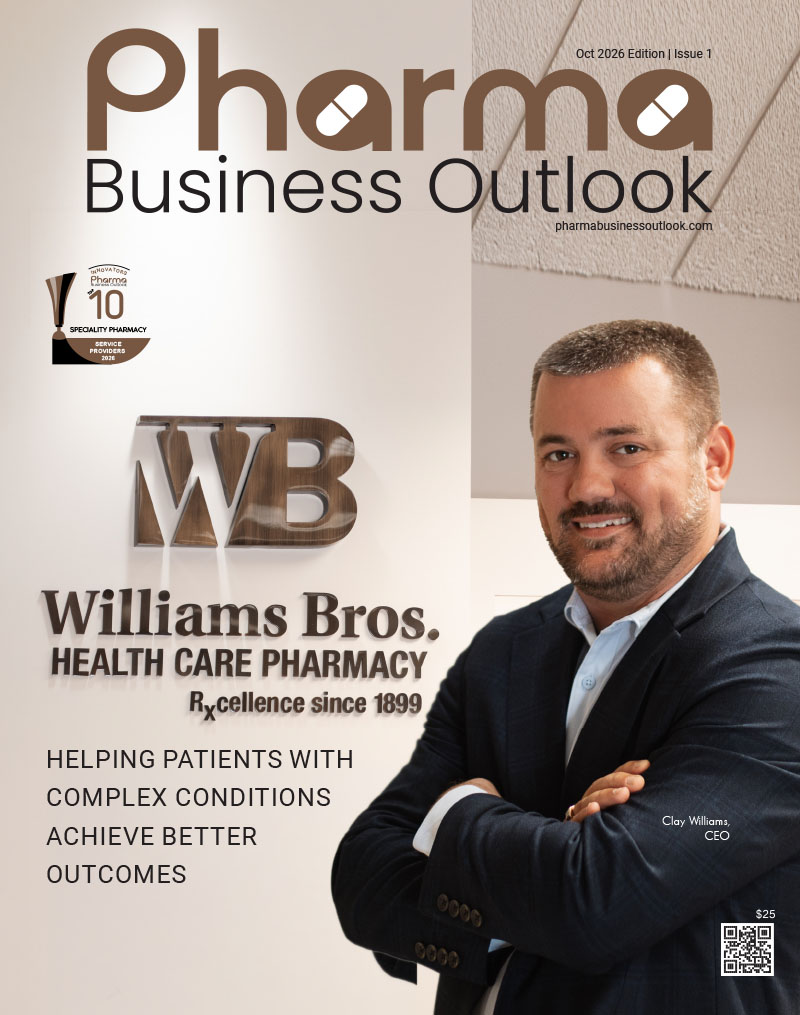
Pharma Business Outlook is more than just a publication—it is a bridge that connects pharmaceutical companies, healthcare providers, and key decision-makers. By fostering discussions on regulatory compliance, emerging market opportunities, and digital transformation, the magazine plays a crucial role in shaping the future of the pharmaceutical ecosystem.
We respect your privacy. The email address you provide will be used solely for subscription purposes and will not be stored or shared.
Subscribe Now
